Search every volume:
Volumes
-
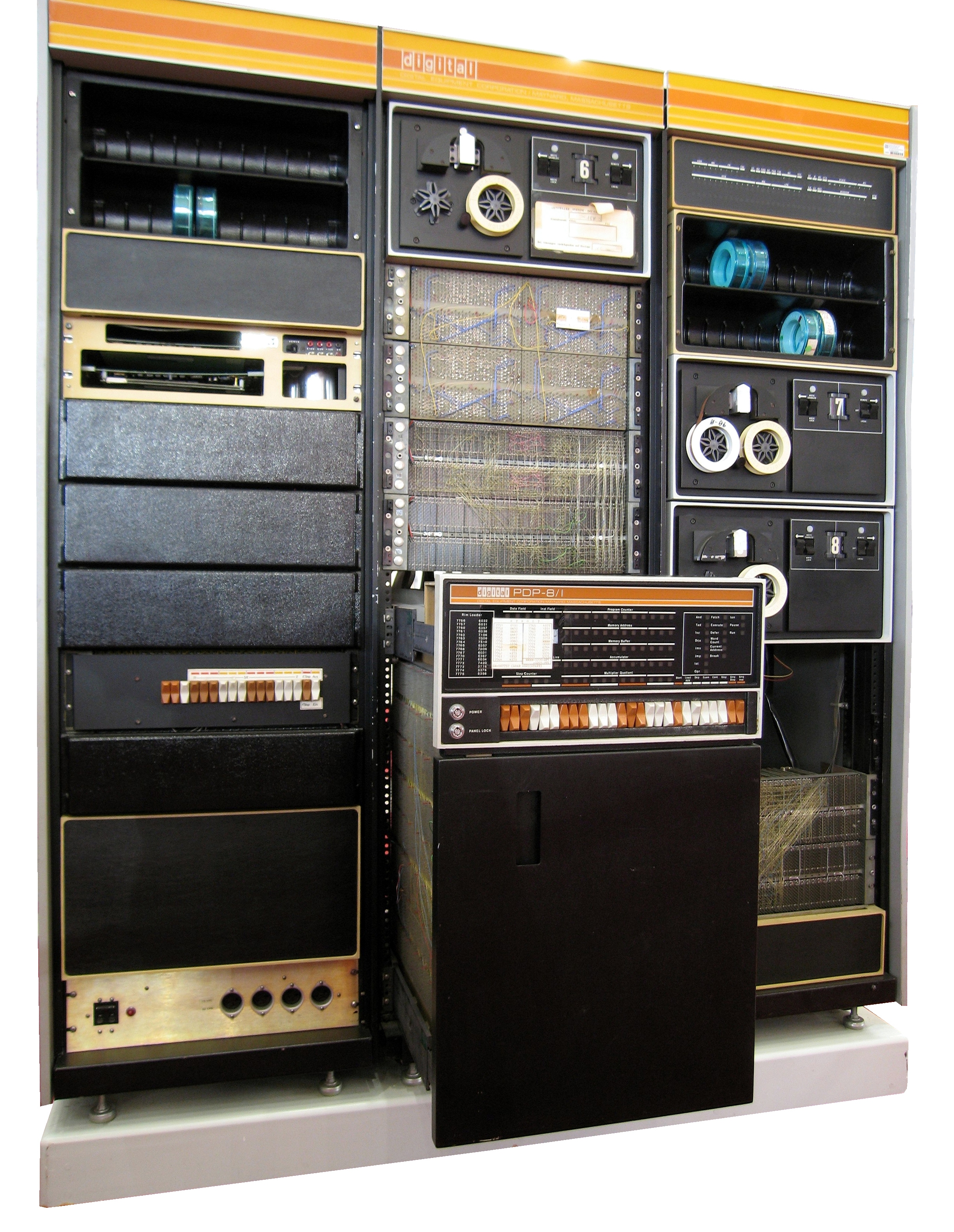 Vol 1 PDP-8/I — Volume 1 — The Minicomputer That Changed Everything An orientation to the 1968 machine that brought the computer within reach of a single laboratory — and to the fourteen-volume journey that ends on a workbench.
 -
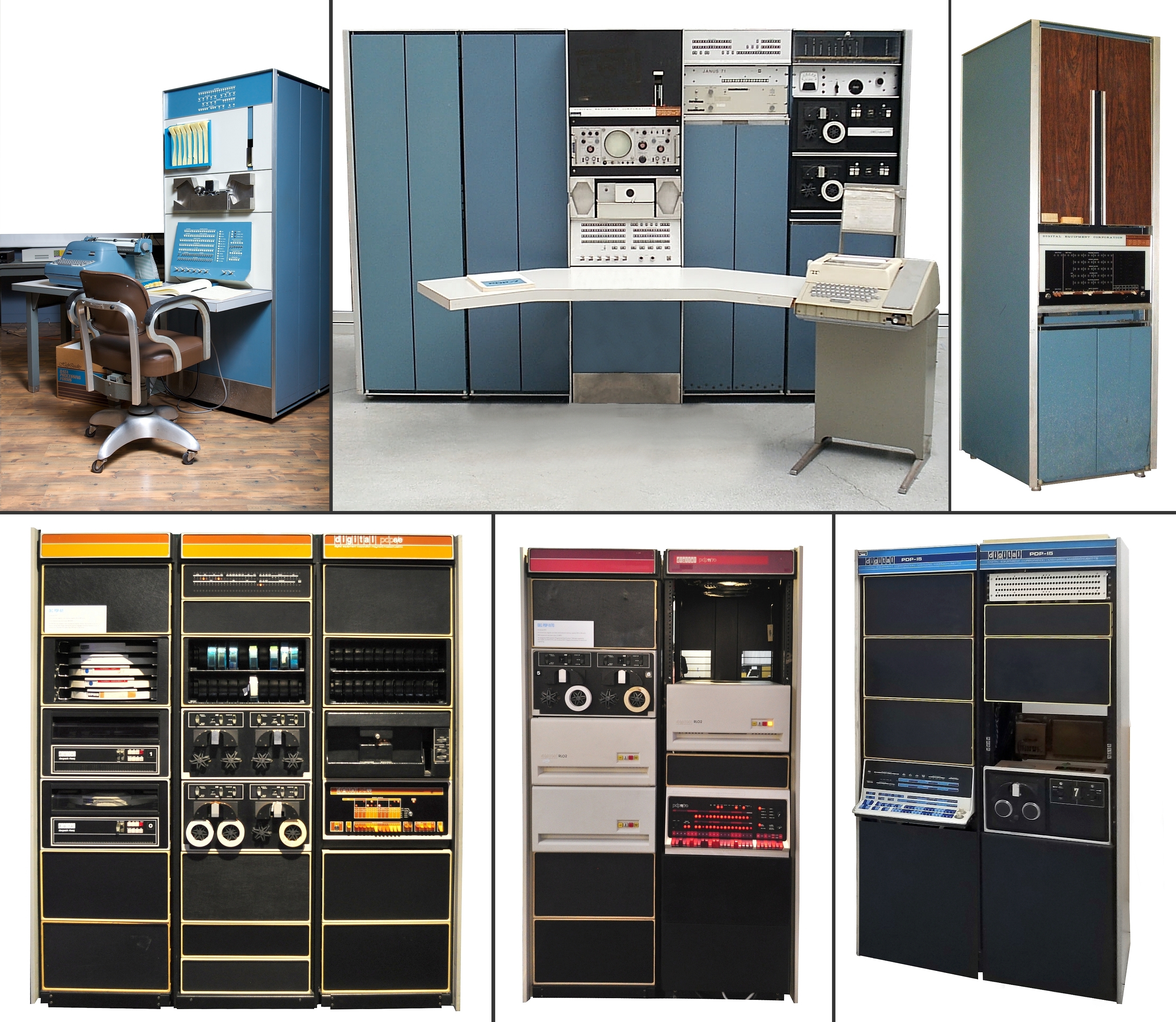 Vol 2 PDP-8/I — Volume 2 — DEC and the Road to the Mini How a converted woolen mill, a culture of interactive computing carried out of MIT, and a decade of deliberately small machines converged on the computer you could finally call your own.
 -
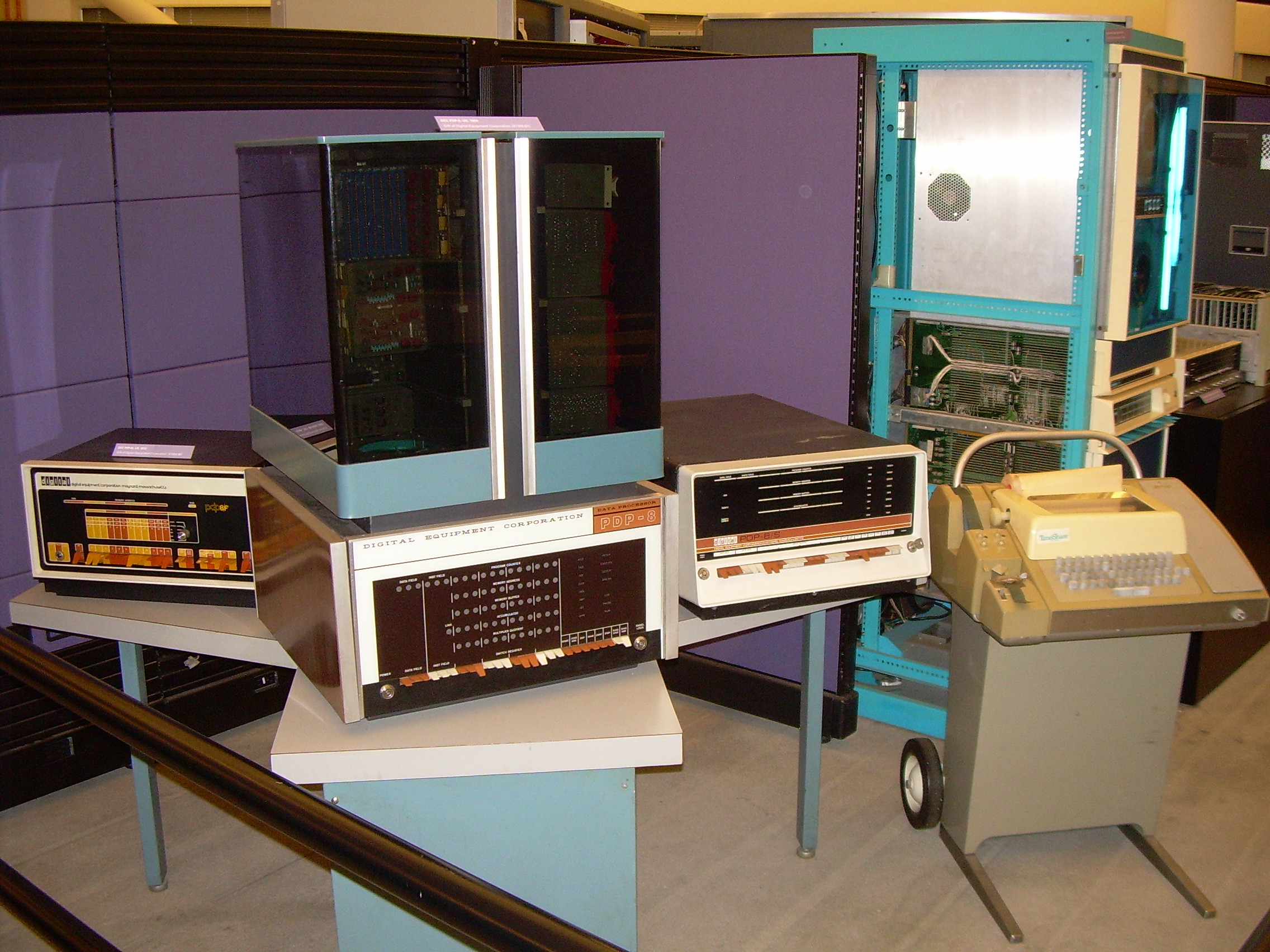 Vol 3 PDP-8/I — Volume 3 — The PDP-8 Family: from the 1965 original to the 8/I How one twelve-bit design outlived four generations of logic — discrete transistors, a one-bit serial trickle, small-scale TTL, and finally a chip you could lose in your pocket — without ever changing its mind about what a computer should be.
 -
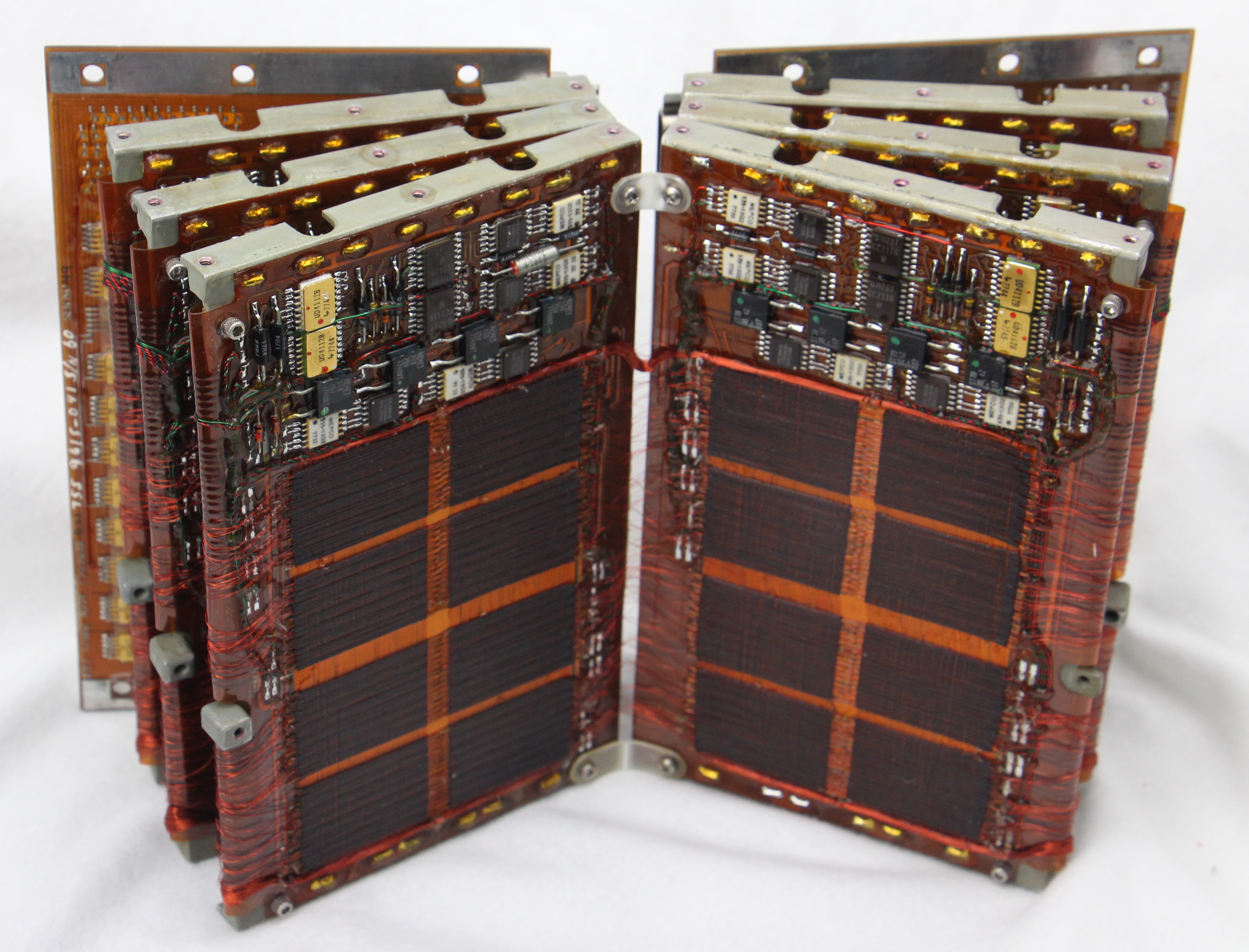 Vol 4 PDP-8/I — Volume 4 — Architecture I: 12-bit Words, Memory, the Accumulator Twelve bits, one accumulator, a single carry bit, and a few thousand words of core — the deliberately tiny machine you can hold whole in your head, taken apart one register at a time.
 - Vol 5 Vol 5 PDP-8/I — Volume 5 — Architecture II: the Instruction Set, Addressing, Auto-Index Eight instructions, three bits to name them, and a fistful of microcoded tricks — how a computer with no LOAD, no STORE, and no SUBTRACT still does everything, and does it in twelve bits per word.
-
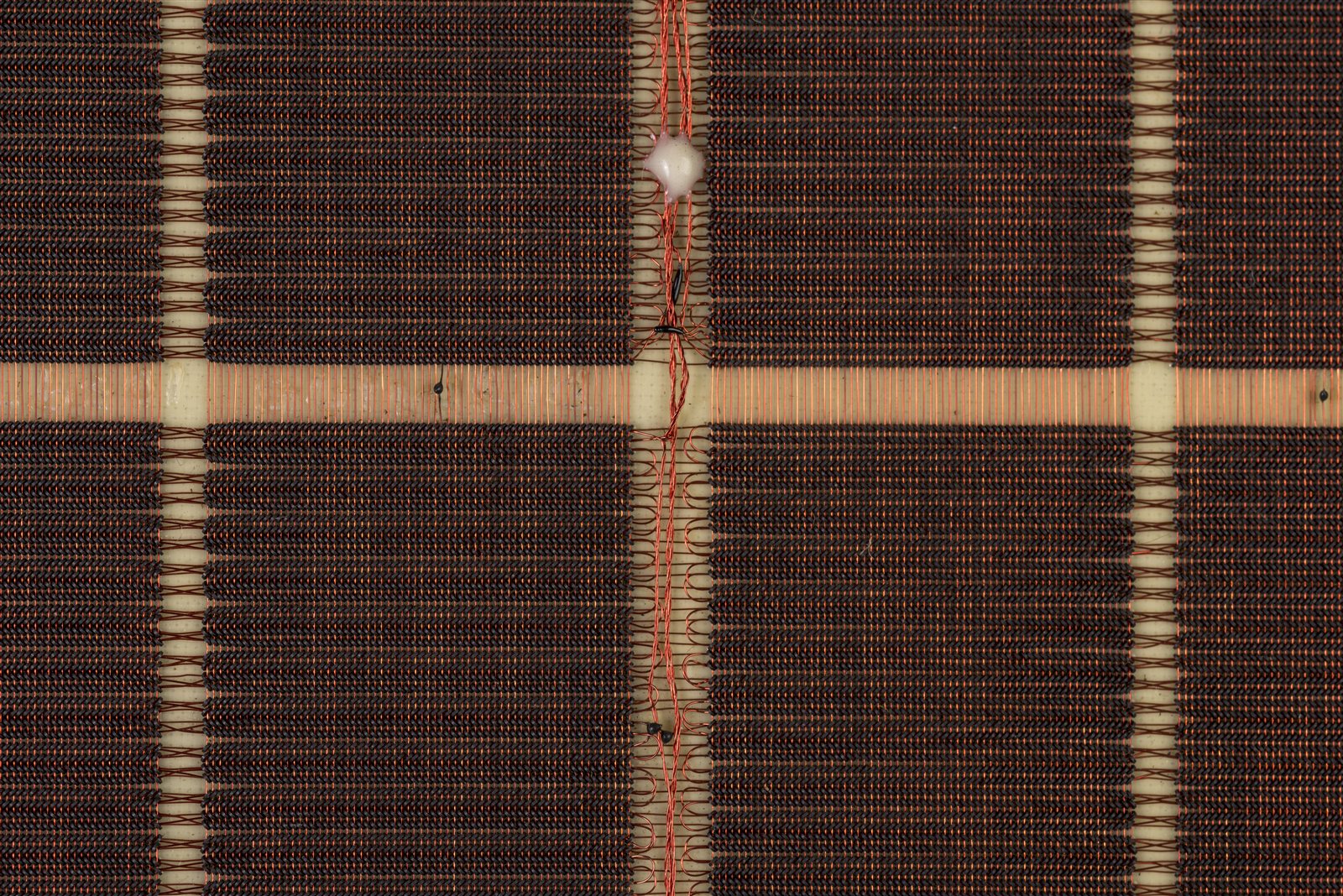 Vol 6 PDP-8/I — Volume 6 — Core Memory & the Physical Machine Ten thousand ferrite rings threaded by hand, a hundred plug-in cards on a wire-wrapped backplane, and a wall of switches and lamps — the actual object the architecture had to be carved into out of magnetism, silicon, and sheet metal.
 -
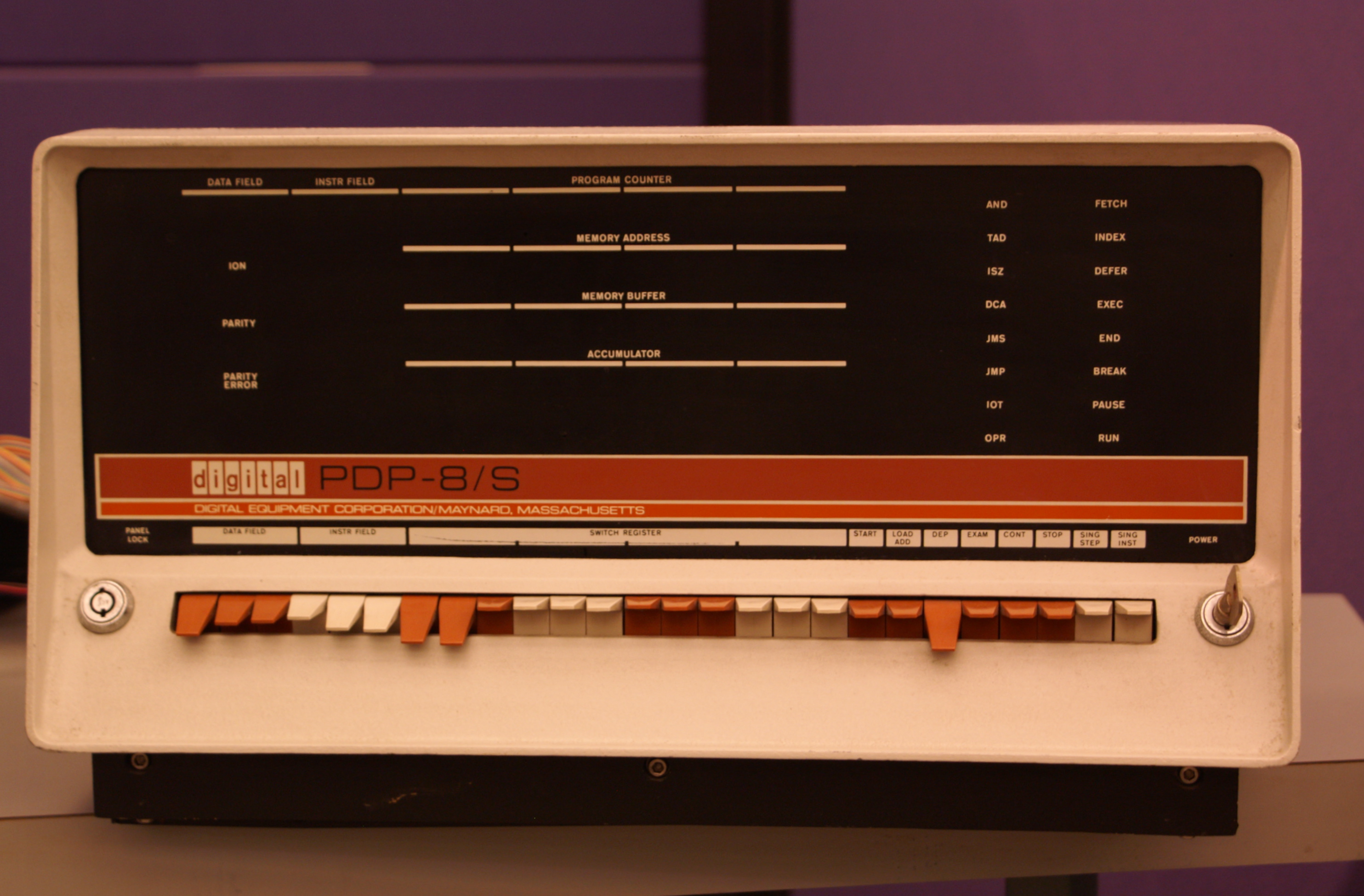 Vol 7 PDP-8/I — Volume 7 — Programming the Front Panel How an operator with nothing but twelve toggle switches and a wall of lamps could talk to a bare machine, hand-build a program a word at a time, and toggle in the tiny loader that taught the computer to read its own paper tape.
 -
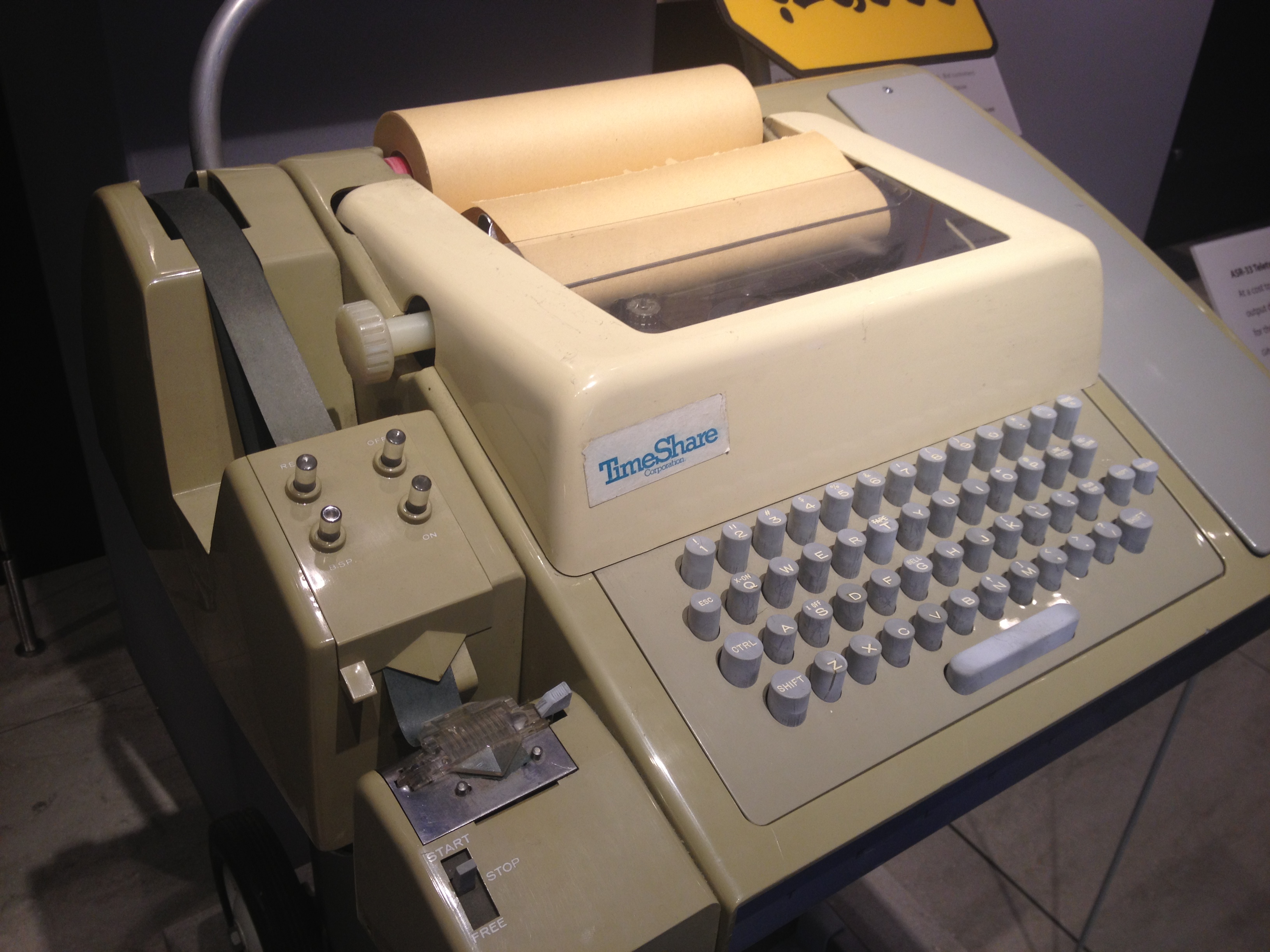 Vol 8 PDP-8/I — Volume 8 — I/O, Paper Tape & Peripherals How a twelve-bit processor with a single accumulator reached out to the world — through one opcode, a clattering Teletype, ribbons of punched paper, a lone interrupt wire, and a back room full of spinning tape and disk.
 -
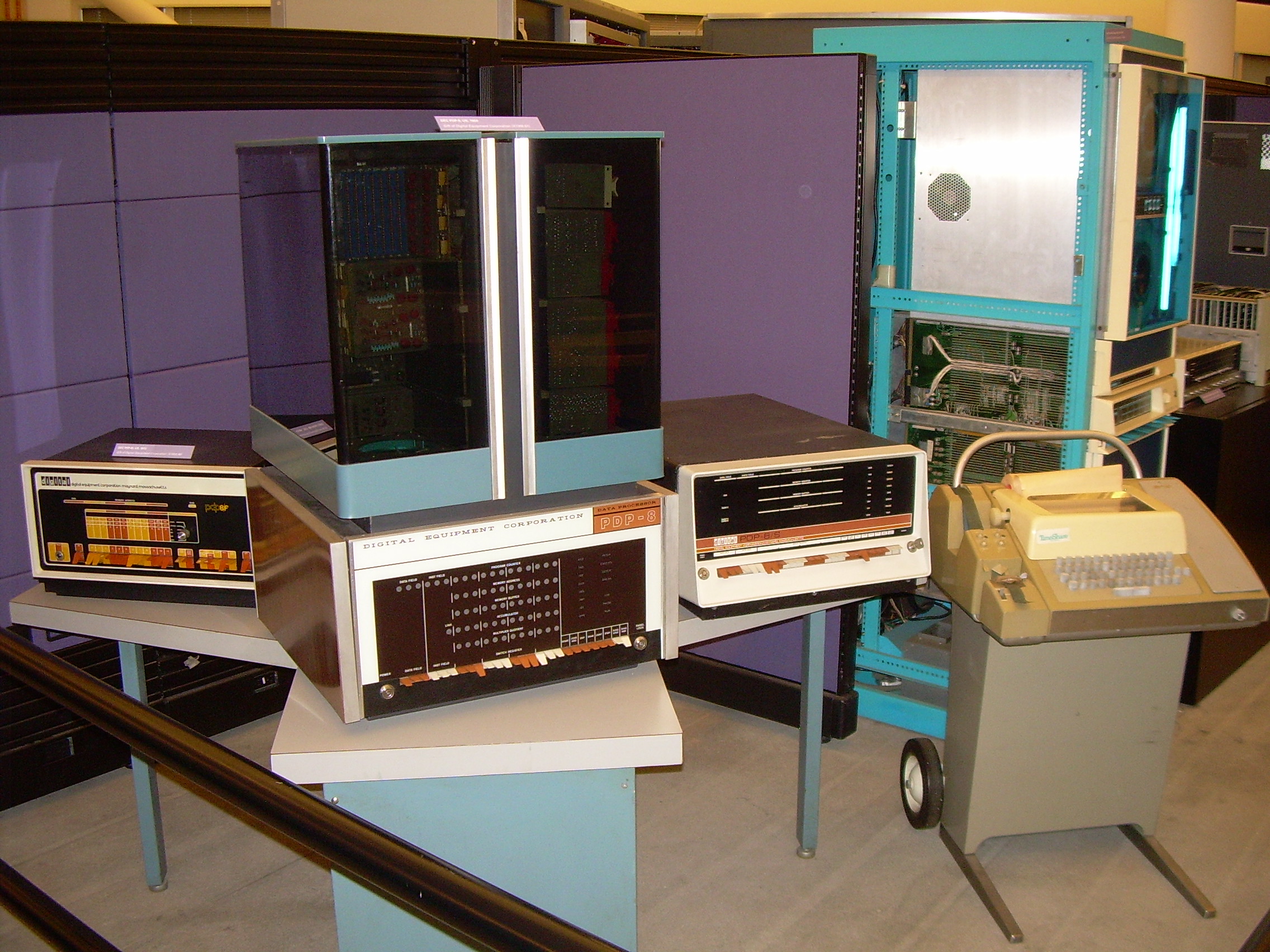 Vol 9 PDP-8/I — Volume 9 — The Software World: FOCAL, OS/8, BASIC, DECUS How a bare twelve-bit machine grew an assembler, a conversational language that fit in 4K, a real file system, time-sharing for a roomful of Teletypes, and a freewheeling tape-swapping culture that prefigured open source.
 -
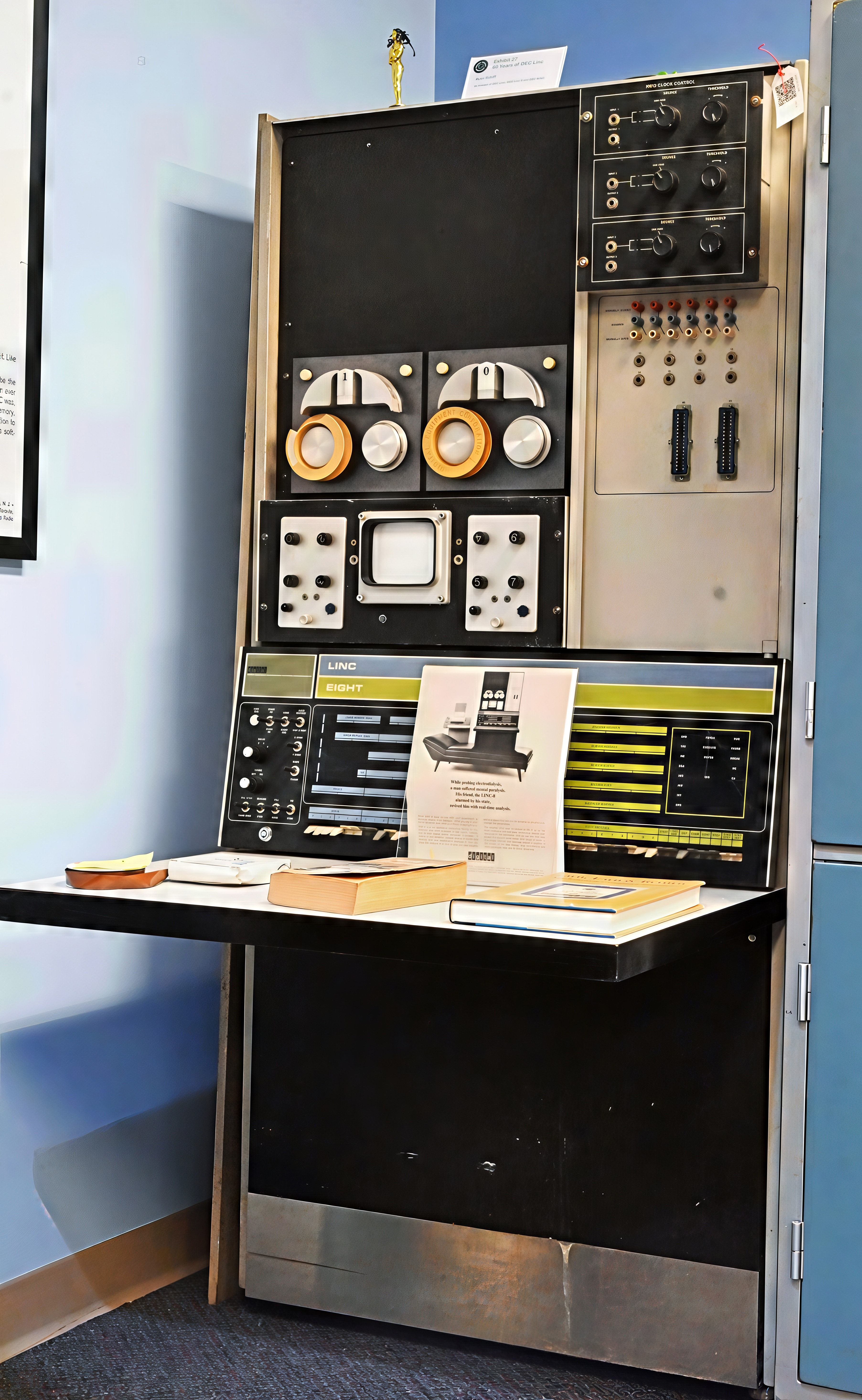 Vol 10 PDP-8/I — Volume 10 — The PDP-8 in the World: Labs, Education, Embedded Where the cheap twelve-bit machine actually went — onto laboratory benches and hospital carts, into a generation of classrooms, and inside typesetters, telephone exchanges, and the word processors on a million desks.
 -
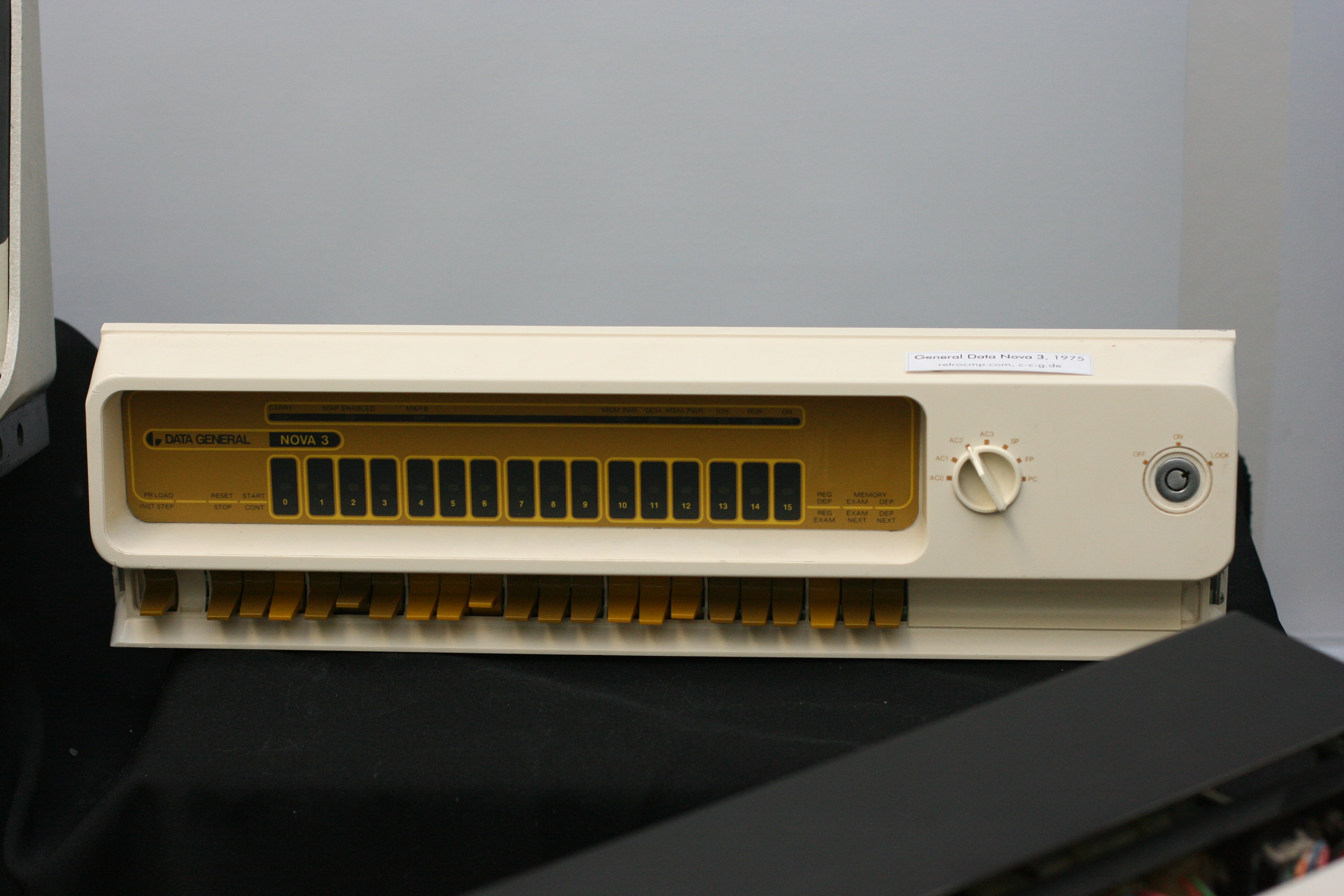 Vol 11 PDP-8/I — Volume 11 — How the Mini Democratized Computing How a twelve-bit box too cheap to bother locking away pulled computing out of the glass house, set it on a workbench within arm's reach of the person who needed it, and started a price slide that would not stop until a computer sat on a kitchen table.
 -
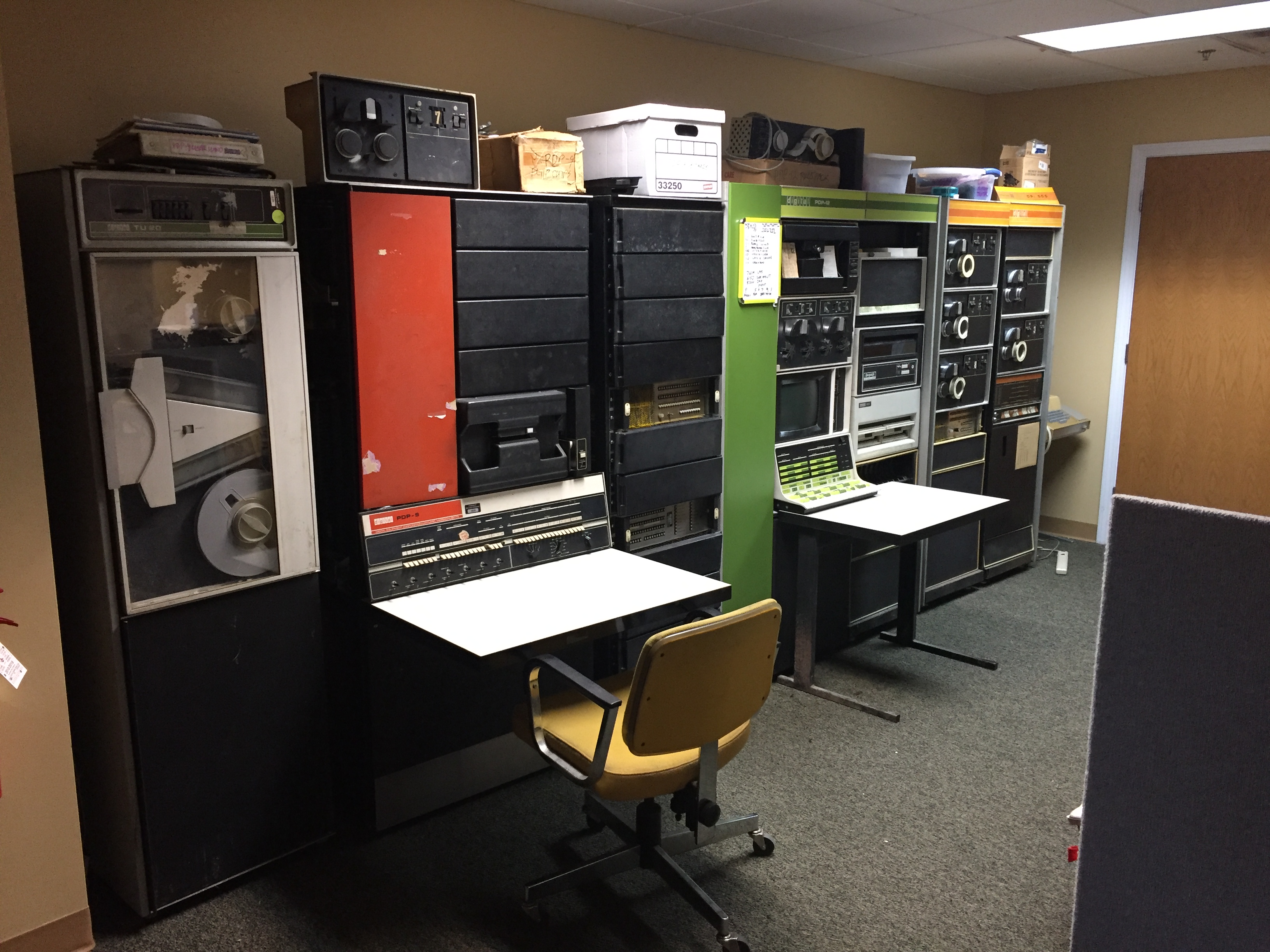 Vol 12 PDP-8/I — Volume 12 — Surviving Machines, SIMH & Museums How a fifty-year-old twelve-bit computer is kept alive on three fronts at once — in iron, by the restorers who coax dead core and brittle flip-chips back to life; in software, by a simulator faithful enough to boot the real operating system; and in paper, by the volunteers who scanned the very manuals this series was written from.
 -
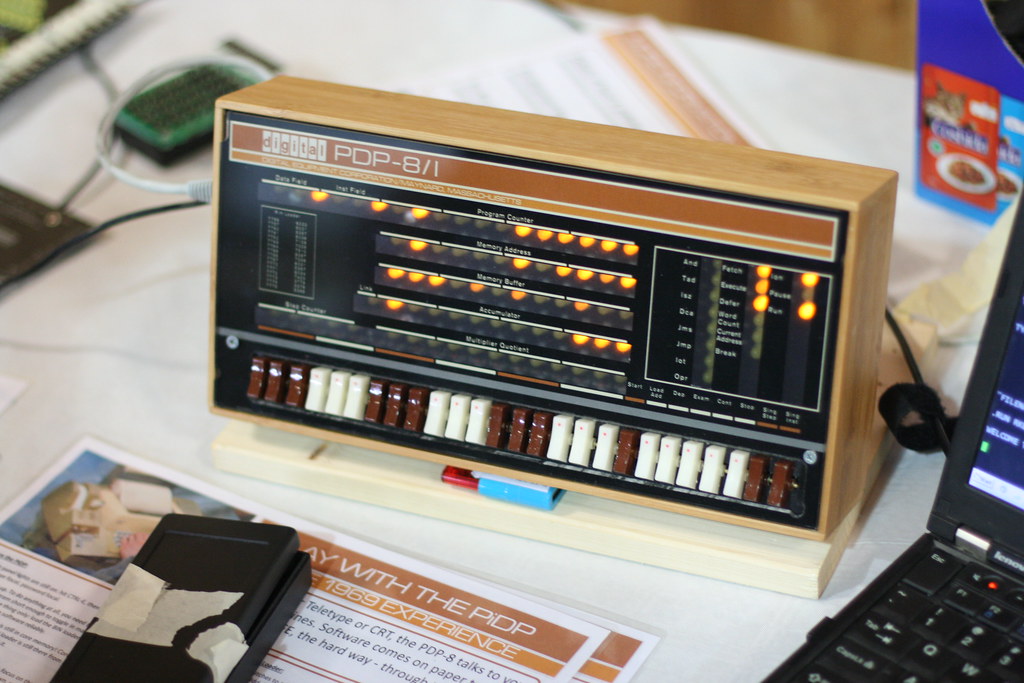 Vol 13 PDP-8/I — Volume 13 — The Modern Revival: PiDP-8/I and Kindred Replicas How a retired Dutch maker, a thirty-dollar Raspberry Pi, and a faithful old simulator put the PDP-8/I's blinking front panel back on workbenches all over the world — not as a museum relic behind glass, but as a kit you solder together yourself.
 -
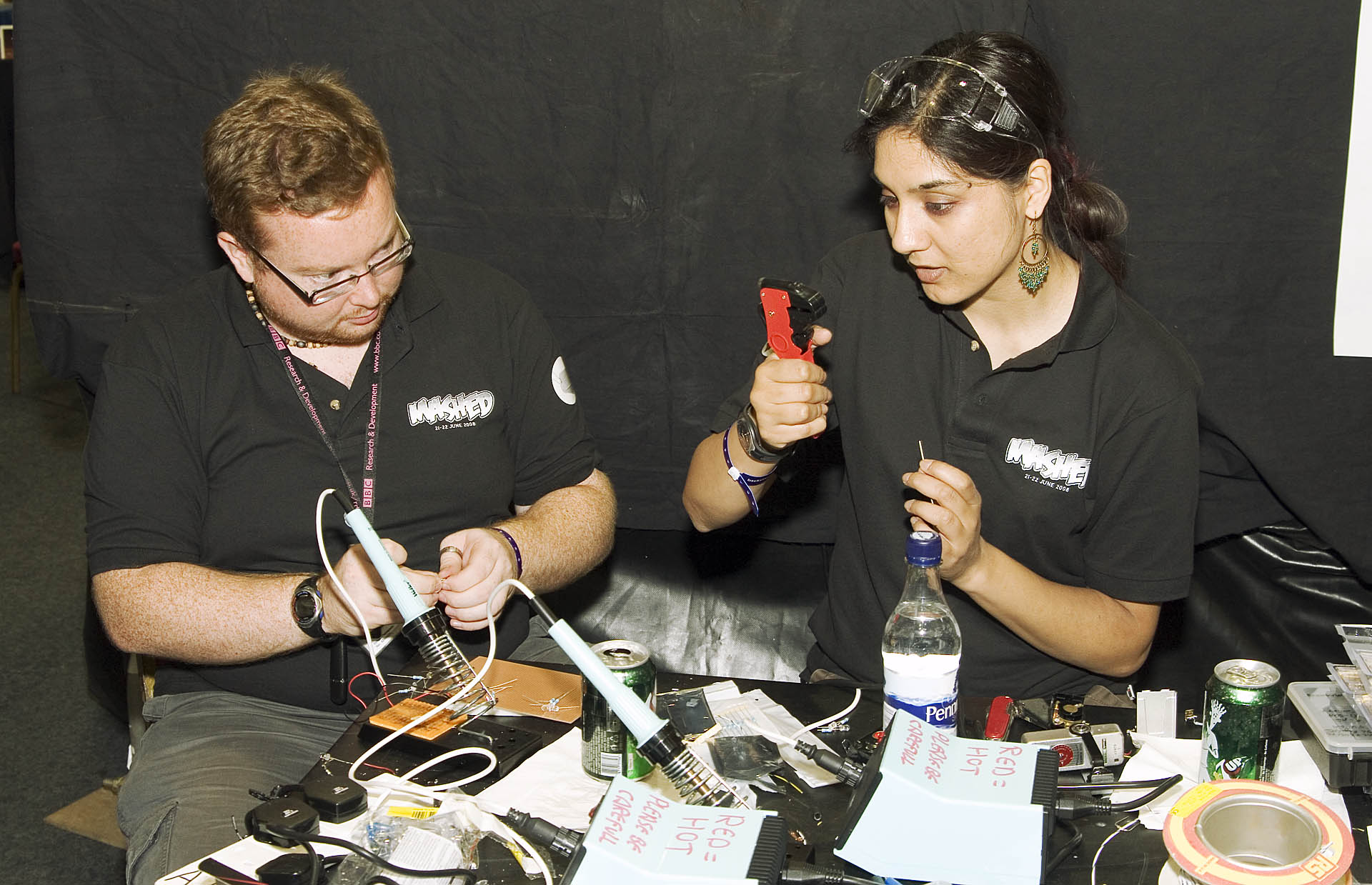 Vol 14 PDP-8/I — Volume 14 — Building My PDP-8/I Replica The capstone: opening the PiDP-8/I kit, taking up the iron to solder its LEDs and switches, dropping a Raspberry Pi behind the panel, and bringing the blinking front panel of a 1968 minicomputer back to life on my own bench.